




There is a two-way relationship between diet and snoring – dietary choices can make snoring worse, and excessive snoring can indirectly affect food choices. Tracking your food intake is a fantastic way to manage your diet and make changes where needed to help reduce side effects such as snoring. Using a handy food-tracking app is a convenient and effective way to do this.
Nutracheck is a leading food-tracking app that helps hundreds of thousands of people take control of their diet and weight. Here, their nutrition expert Emma White discusses why tracking what you eat can be the perfect tool to use alongside monitoring your snoring.
Why track what you eat?
Tracking what, how much, and when you eat using Nutracheck can be a great tool in your snore-reduction journey.
Spotting patterns
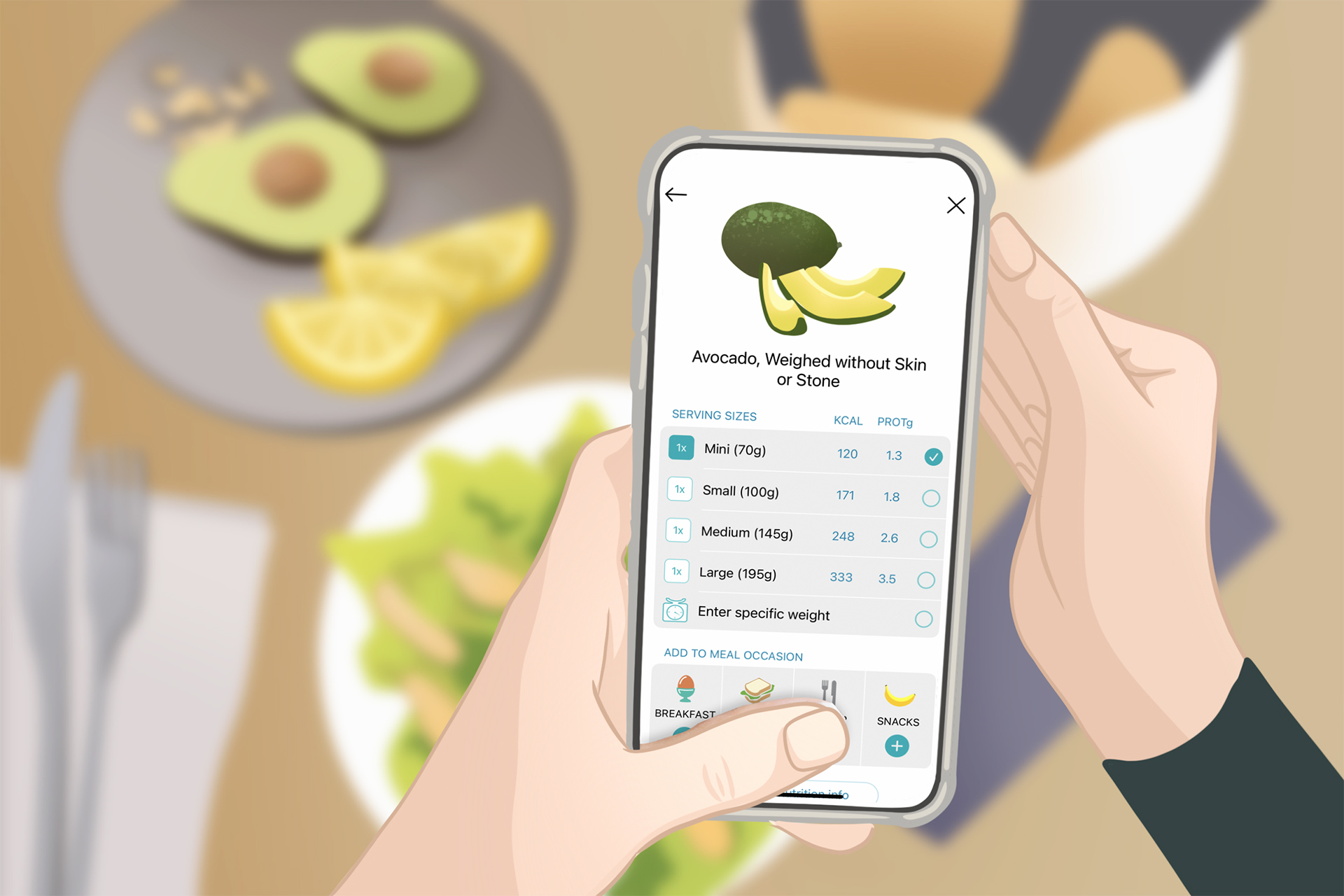
Tracking the food you eat is the only way to truly know what and how much you’re eating. In fact, research shows that people typically underestimate what they’re eating by as much as 30% if asked to simply recall their intake (1), highlighting how important it can be to keep a log when it comes to the specifics of your diet. When noting down the types of food you’re eating, when you eat them and how much you’ve had, you give yourself the data to help identify any patterns with foods you’ve eaten and when your snoring is worse. Nutracheck also offers a notes section where you can log specific concerns,for example, when sleep quality or snoring is worse, so you can easily see what foods you ate that day.
Once you’ve spotted potential trigger foods, you can run a few tests yourself to try avoiding those foods or certain portion sizes, for example, to see what effect this has on snoring. It’s best to change one thing at a time for a period to help with identifying the specific culprit, before making further adjustments.
The weight loss link
There is ample research to support the notion that tracking your food intake is an effective weight loss approach (2, 3, 4). It helps with managing portion sizes, making better dietary choices, and sticking to a reduced calorie intake necessary for weight loss. We know that excess weight can increase the risk of snoring and disrupt sleep quality, so tracking your food intake can be a great tool in tackling this.
The sleep and weight relationship works the other way, too. Poorer sleep quality, which is often linked to excessive snoring (5), can lead to people making less healthy food choices due to chronic tiredness and hormone disruption, which over time can lead to weight gain (6). Keeping a food diary can help with managing dietary choices and calorie intake, to help mitigate some of the effects of poor sleep quality on food choices and potential weight gain.
Improving dietary balance
Accurately tracking the foods you eat shows you what the balance of nutrients is in your diet – especially as Nutracheck also tracks carbs, sugar, fiber, protein, fat, saturated fat and sodium. Monitoring the balance of nutrients in your diet can make it easier to spot where some changes can be made. For example, perhaps your saturated fat is often creeping up above the recommended healthy intake? Regularly eating meals that are typically higher in saturated fat, such as takeaways or rich, creamy dishes, and therefore increasing your overall fat intake, can exacerbate snoring in some people (7). Identifying that your saturated fat intake is a little high and which foods are contributing to this in your diet makes it possible to cut back or swap these foods out, leading to a better overall balance in the diet.
With Nutracheck, you can also track your fluid intake, how much fruit and veg you’re having, plus how much alcohol you’re consuming. All of these affect a healthy balanced diet, which ultimately affects body weight and sleep quality. Getting the balance right in your diet can not only reduce snoring but also improve overall health. Give Nutracheck a try for free for 7 days to see how your diet could be affecting your snoring.


